Chepika
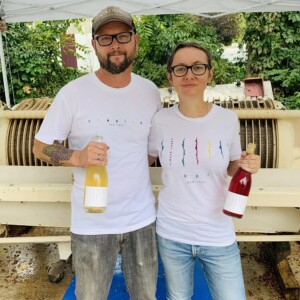
Nathan Kendall & Pascaline Lepeltier
About
Owners & winemakers: Nathan Kendall & Pascaline Lepeltier
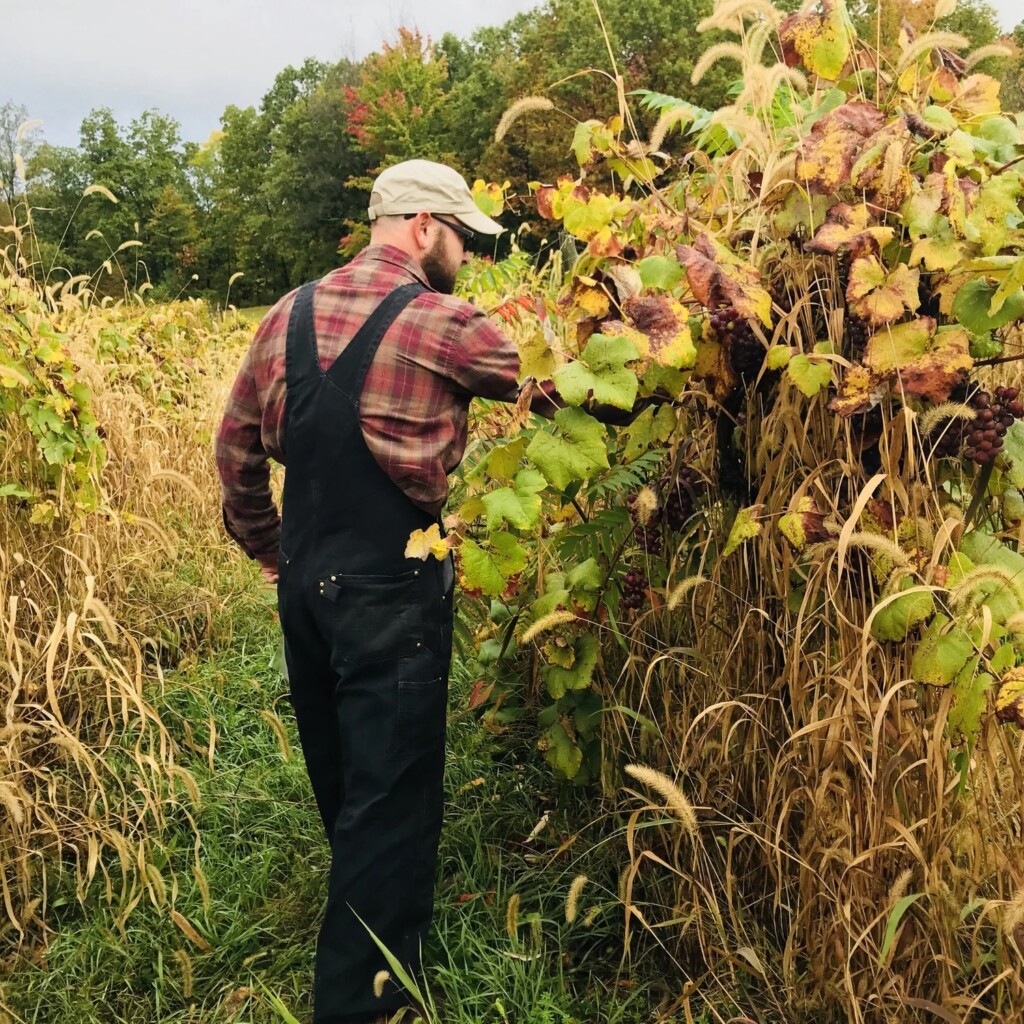
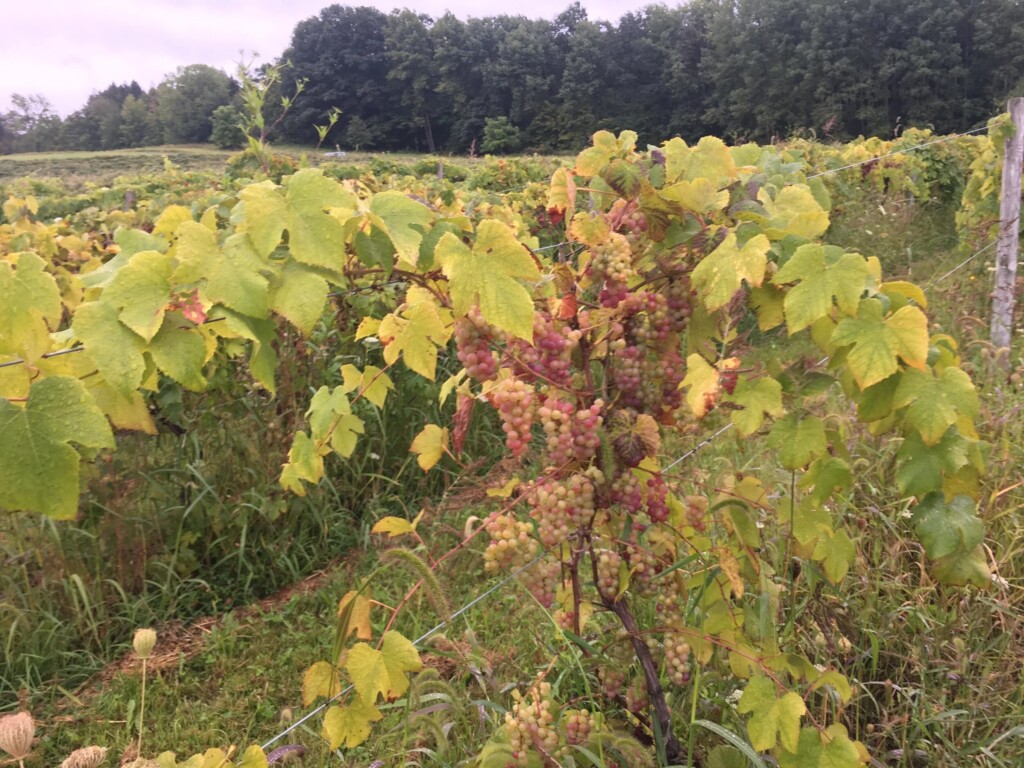
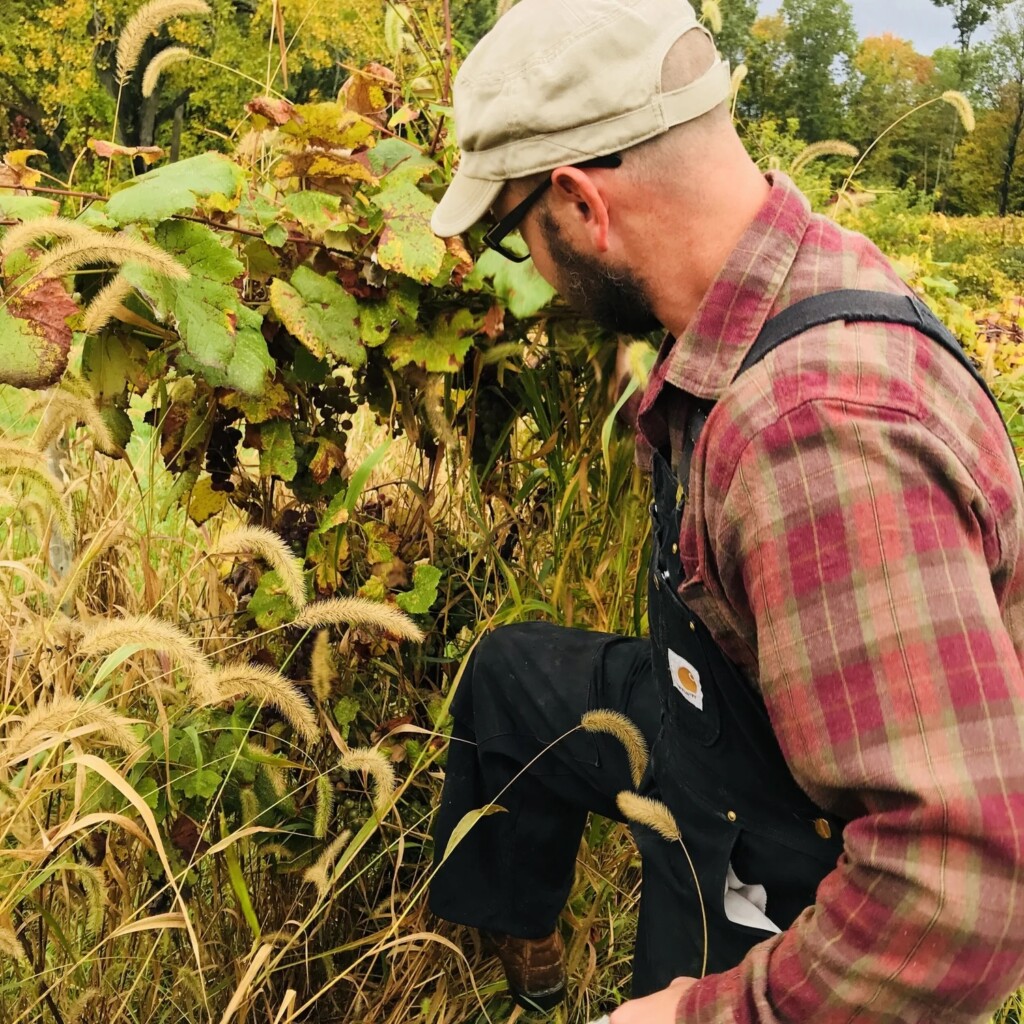
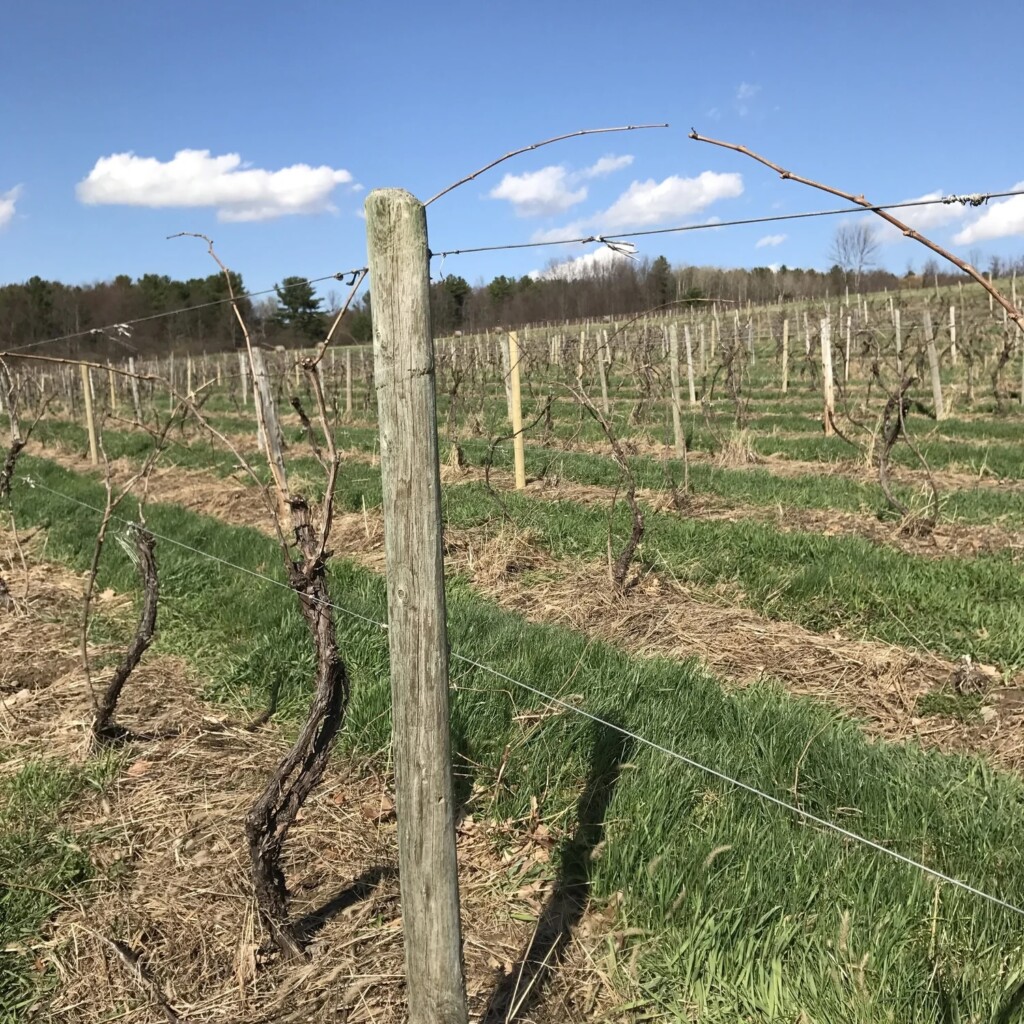
Vineyards: Sourced from a certified organic vineyard near Keuka Lake
Vineyard management: Certified organic
Grapes grown: Catawba, Delaware, Concord, and others
Quick facts:
- The name “Chepika” means “root” in the Lenape language spoken by the Native American tribe of the Delaware, chosen as a tribute to the often forgotten heritage of the region.
- The goal of the project is to highlight native American and hybrid grape varieties that have been growing around the Finger Lakes for over 200 years, such as Catawba, Delaware, and Concord. Once major commercial varieties for the production of sparking and fortified wines, they were largely forgotten after Prohibition, but still represent about 70% of the plantings in the region.
- Chepika is also intended as a tool for raising indigenous awareness and supporting the local community: read more about the initiatives they support here.
Chepika was founded in 2016 as a passion project for winemaker Nathan Kendall (of Nathan K. Wines) & sommelier Pascaline Lepeltier. The two wanted to highlight the winemaking history of the Finger Lakes region by focusing on non-vinifera varieties. In the 19th century, the region had a thriving wine industry based primarily on sparkling and fortified wines made from native American grape varieties that earned worldwide respect and recognition. Catawba and Delaware became two of the first hybrid grape varieties used for quality wine production in America. However, Prohibition wiped out the existing industry in the early 20th century, and with the successful introduction of European grape varieties, especially Riesling, in the 1950s, the wines made from native and hybrid grapes were largely forgotten. The grapes themselves have survived, however–Catawba, Delaware, Concord, and other cultivars still make up over 70% of grape plantings in the Finger Lakes today, although they are largely used for table grapes, juice, or mass-market sweet wine production.
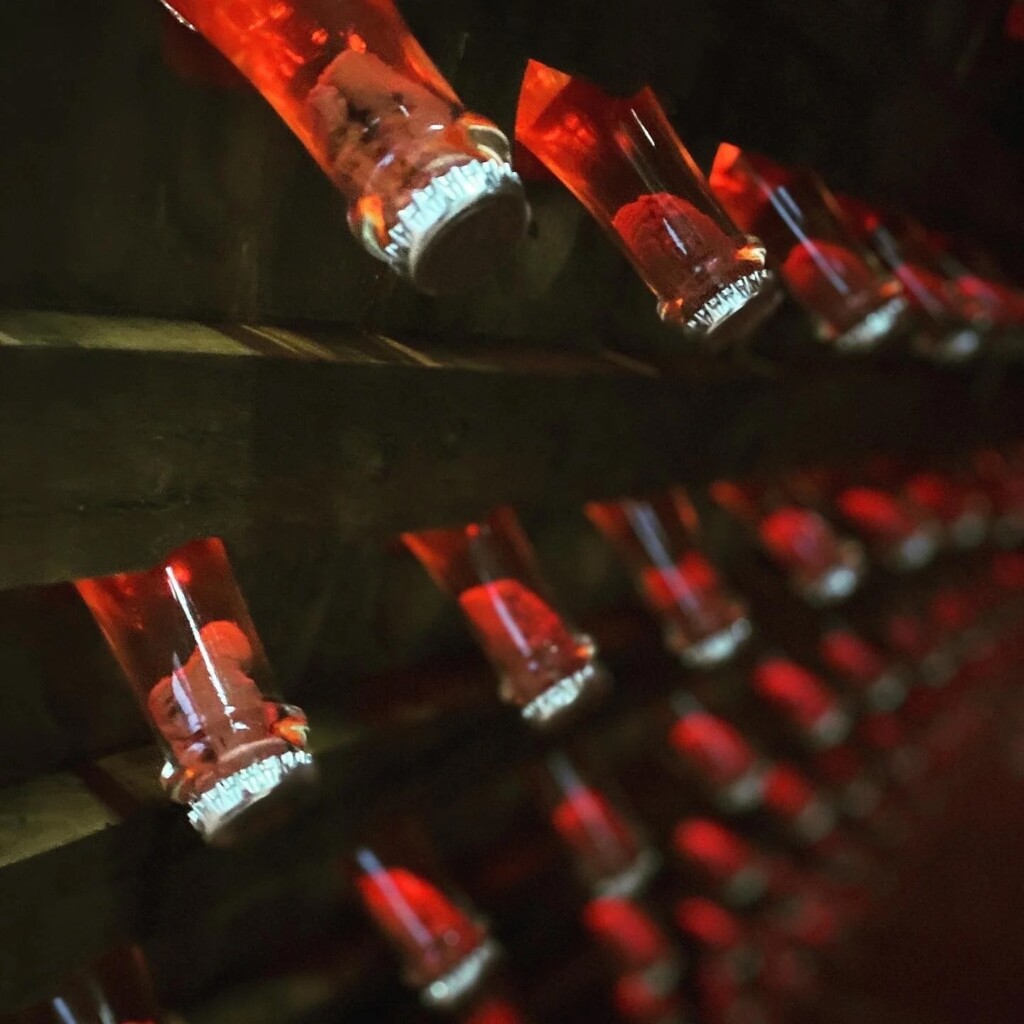
These resistant grape varieties generally need little to no chemical products to thrive, making them ideal for the production of natural wines. As Nathan and Pascaline put it, “It is our opinion they deserved a revival!” The two make ancestral method pet nats from Catawba and Delaware as well as a still Catawba, all with no additions and no added sulfur.