Renato Molino
Renato Molino
About
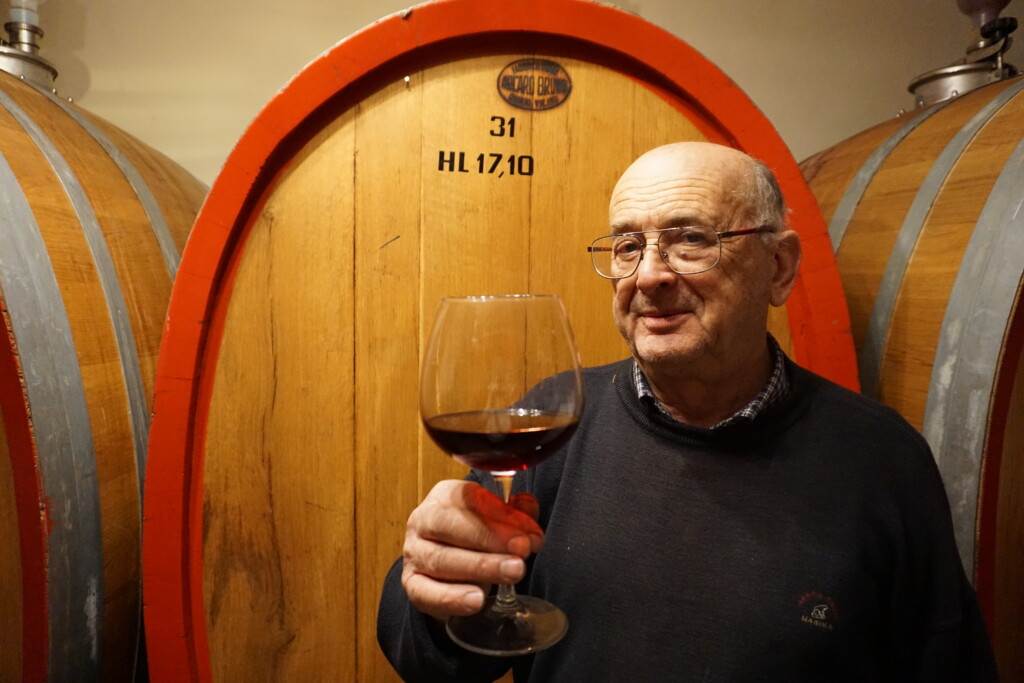
Owner & winemaker: Renato Molino
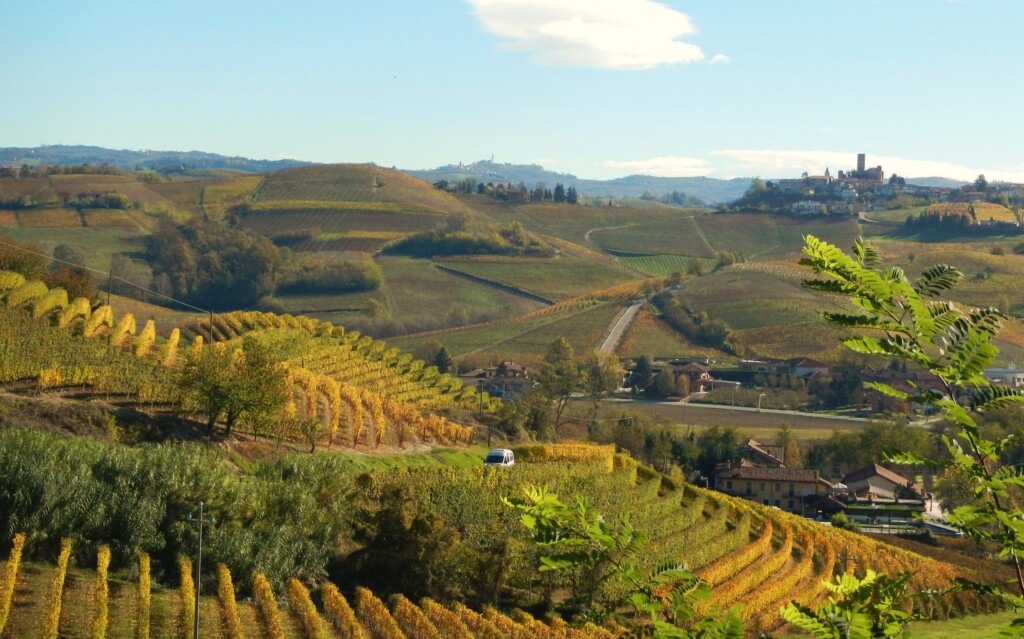
Vineyards: 3.8ha across five parcels in La Morra and Castiglione Falletto
Vineyard management: Sustainable but not certified
Soils: Clay, limestone, and loam
Grapes grown: Nebbiolo
Annual production: 13,000 bottles
Quick facts:
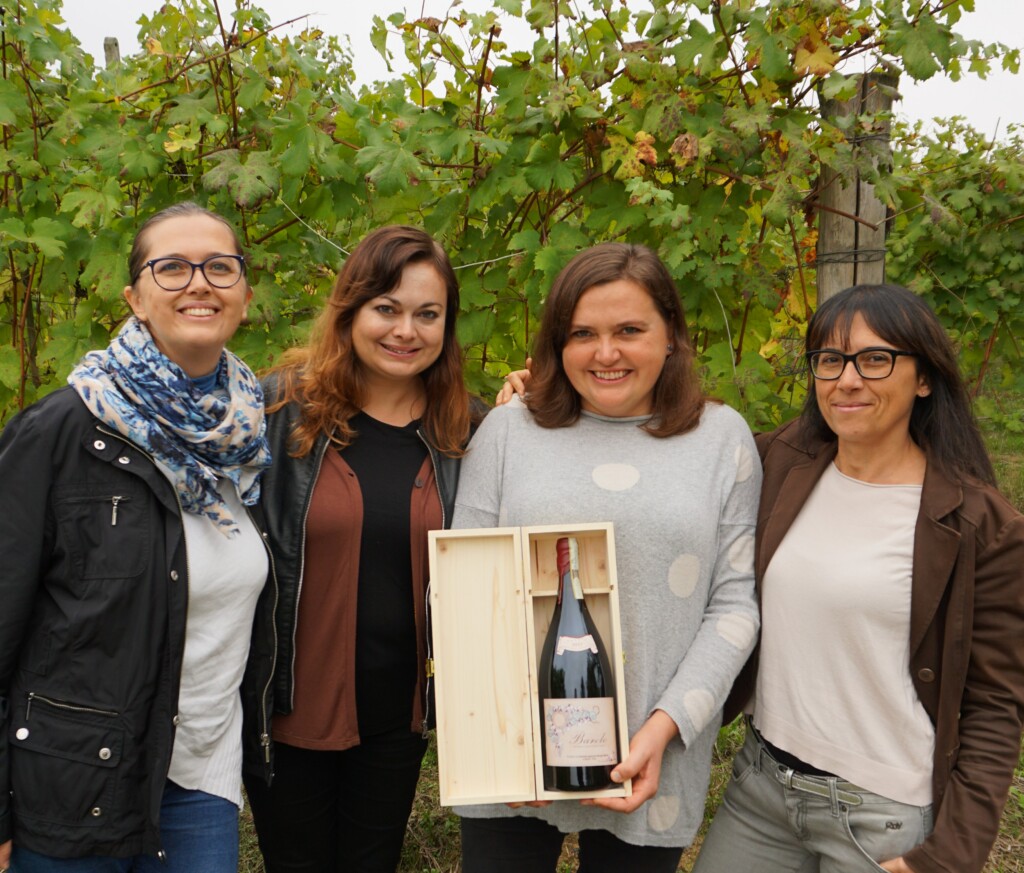
- Renato Molino manages the family estate along with his wife, Maddalena, and his four daughters, Chiara, Grazia, Olimpia, and Lucia.
- “When I began making Barolo, I thought about what my father and my grandfather used to do, and I simply did the same, with my own personal touch.” – Renato Molino
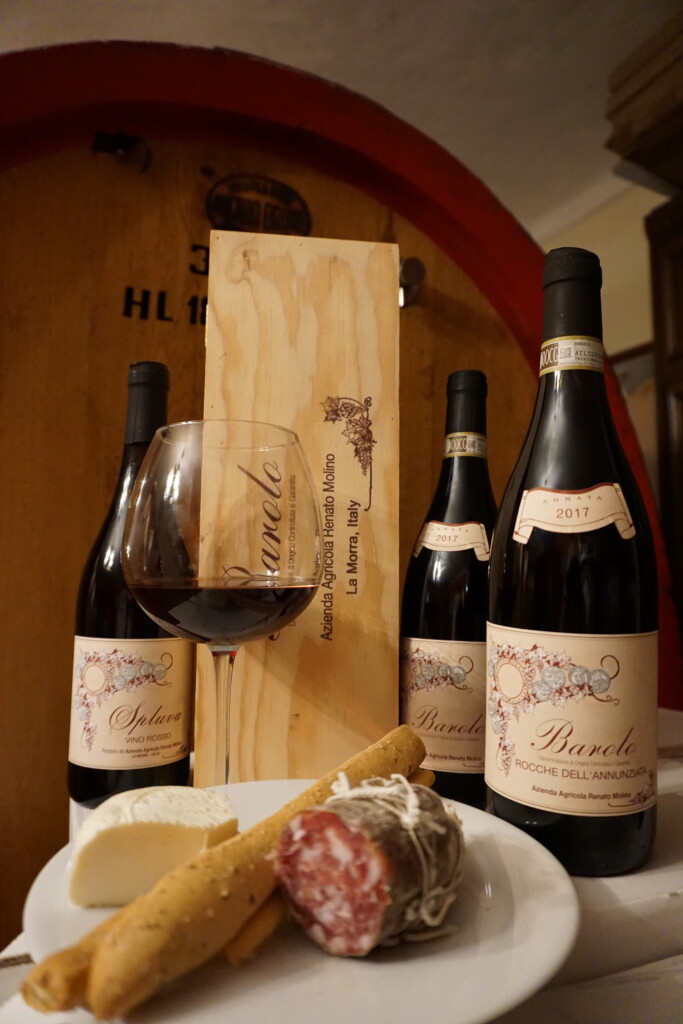
The predominant word we’d use to describe the wines and winery of Renato Molino is “purity.” Here is a Barolo with no frills, no makeup, no chasing trends–just Nebbiolo, the soil, time, and tradition. Renato Molino and his daughters are carrying on a family legacy of winemaking that goes back nearly a century. Renato’s grandfather Luigi purchased the first vineyards that would become the family estate from the French countess Giulia Colbert Tancredi Falletti di Barolo in La Morra in 1927. His son, Renato’s father Antonio, acquired Cascina Spluva, where the winery is still based, and planted vineyards in the communes of Rocche dell’Annunziata and Villero. Renato himself later planted the parcels in Annunziata, Boiolo, and Berri, bringing the vineyard holdings to a grand total of 3.8ha–just the right amount for Renato to continue to farming largely by himself.
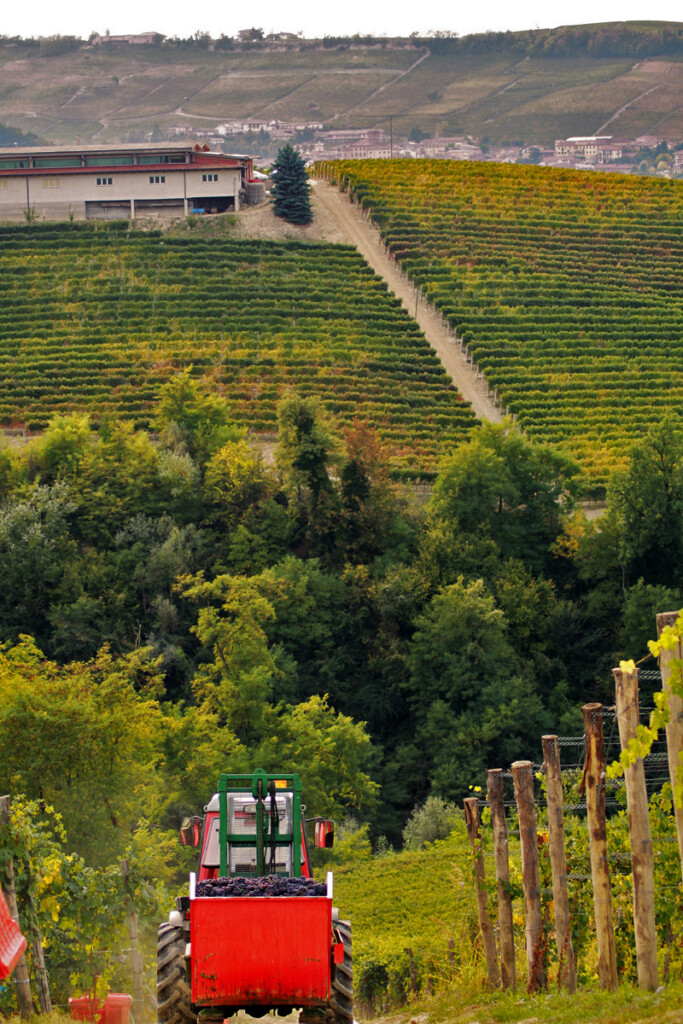
Each of the five parcels has its own distinctive character. Villero, in Castiglione Falletto, is a historic vineyard, planted in 1965. It’s west-facing, with clay-loam soils, at 300m of elevation–Renato calls it “perfectly suited.” Rocche dell’Annunziata is one of the most highly-prized subzones in La Morra–the vineyards are planted around a south-facing amphitheatre, and the resulting wines are famed for their aromatic profile. Renato’s father planted their parcel in 1966 on calcareous-clay soils at 240m of elevation with the Lampia clone of Nebbiolo. Renato’s own plantings include parcels in Annunziata (planted 1991, clay soil, 350m elevation, east-facing), Boiolo (planted 1996, sandy/clay/limestone soil, south-west facing, mid-slope), and their newest acquisition in Berri (planted 2022, calcareous loam soil, 400m elevation, west-facing).
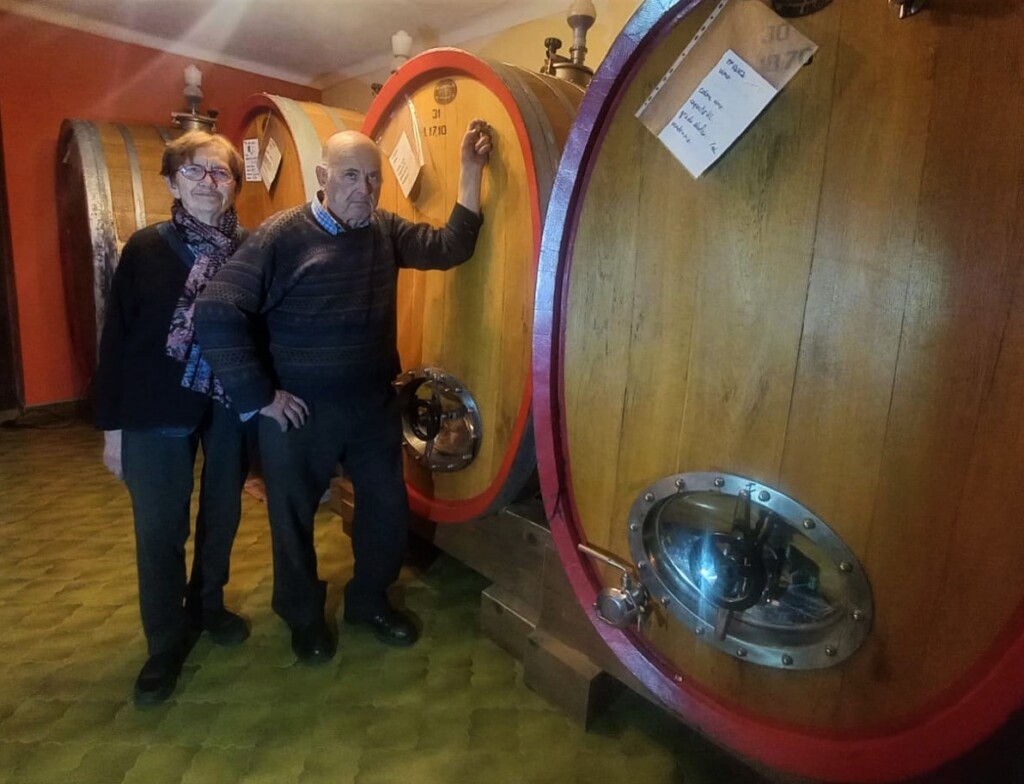
In the cellar, simplicity is the rule as Renato follows in the footsteps of his father and grandfather. Harvest usually takes place in October. Spontaneous fermentation begins in cement tanks, where maceration lasts around a month, with pumpovers and punchdowns done by hand. The wine is transferred to stainless steel tanks to undergo malolactic fermentation, then it ages for two to three years in large Slavonian oak botti. No fining, filtration, or other treatments are used at any point.
“Our winery is distinguished by the traditional process of vinification, by the dedicated farming in the vineyards, and by the long aging in large botti for our Barolo wines,” Renato affirms. “The final result is a unique and unforgettable sensory experience–we taste our wines often so, most importantly, we have to like them ourselves!”