Podere Le Ripi

Sebastian Nasello
About
Owner: Francesco Illy
Winemaker: Sebastian Nasello
Vineyards: 35ha between two different sites, one of on the east slope and one on the west
Vineyard management: Biodynamic since 2010
Soils: Varies by site–more clay and silt in the south-east, sandier and rockier in the north-west
Grapes grown: Sangiovese, Trebbiano, Malvasia
Quick facts:
- Podere Le Ripi produces wines that reflect the diverse terroir of Montalcino, with the utmost care and attention to detail in both the vineyards and the cellar.
- “When I look at a wild forest, I can feel its incredible healthiness, I can smell marvelous aromas, I can walk on its soft soil; I realize that the absence of human intervention is the best way for these plants to express their own character. Biodynamics brings this wildlife power to our vines, a healthy strength.” – Francesco Illy
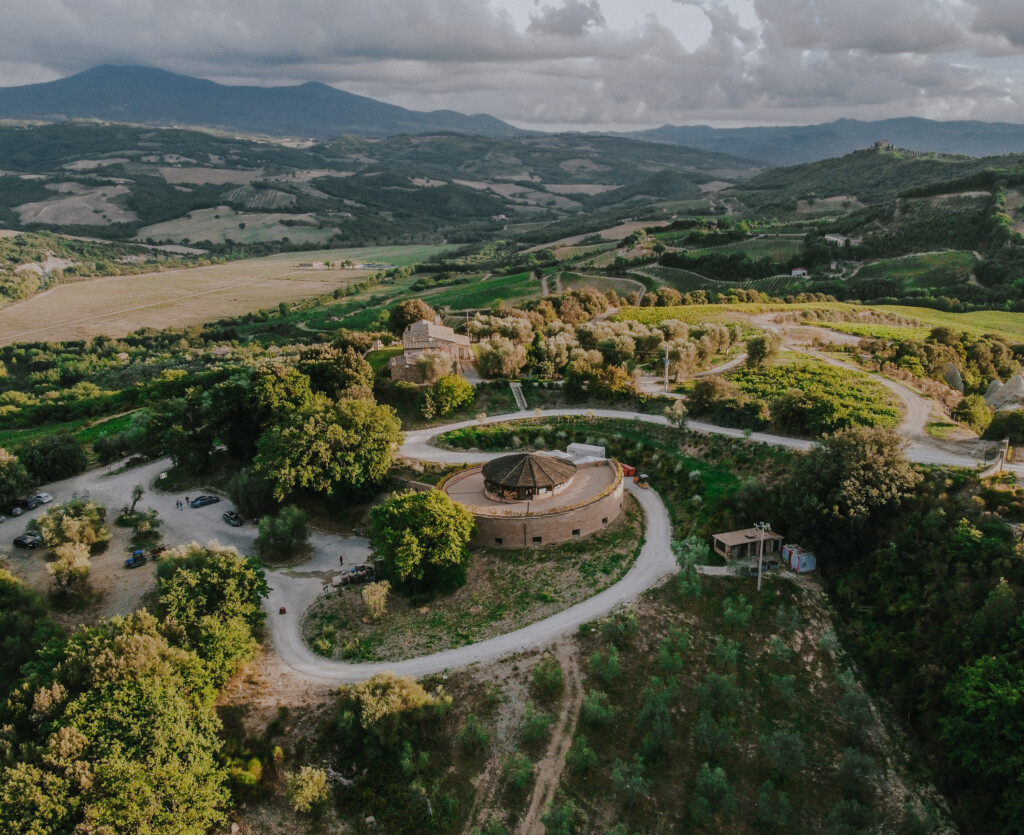
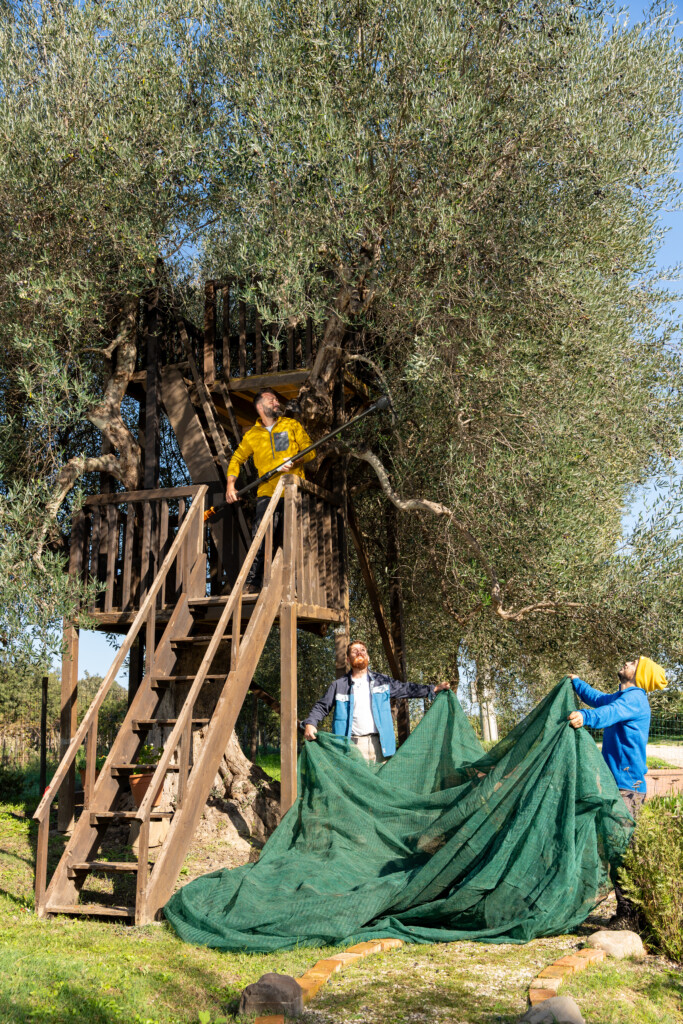
Podere Le Ripi is the fulfillment of a lifelong dream for owner Francesco Illy, although at the start, his passion was more for the Montalcino area itself than the wine. “I am a nature photographer and these landscapes – as our poet Ungaretti would say – ‘flooded me with the light of the immense’ and simply stole my soul: I needed to have a house there,” he explains. It took ten years before he found the perfect place: in the center of the UNESCO World Heritage site Orcia Valley, with hills to the north and west and volcanic Monte Amiata to the south, Francesco found an estate that was nearly uncontaminated, teeming with 400-year-old olive trees, wild asparagus, Porcini mushrooms, blackberries, truffles, and wildflowers everywhere, plus rabbits, deer, boar, porcupines, wolves, badgers, foxes, eagles, herons, and more. This site, in Castelnuovo dell’Abate on the eastern side of Montalcino, became the home of the first vineyards for Podere Le Ripi. In 2017, Francesco acquired another plot on the north-western side of Montalcino.
The differences between the east and west slopes of Montalcino are significant enough that Podere Le Ripi chooses to make one Brunello from each site, instead of blending the two. The eastern side benefits from morning sunlight and constant breezes from Monte Amiata, and the limestone-rich clay-silt soils were once an ancient ocean. On the west side, the vineyards are surrounded by forest, creating a cooler and more humid climate, and the diverse soils were formed by alluvial deposits and are deeper and sandier. “This decision reflects the beauty of working with Sangiovese, a variety deeply sensitive to terroir,” Francesco explains.
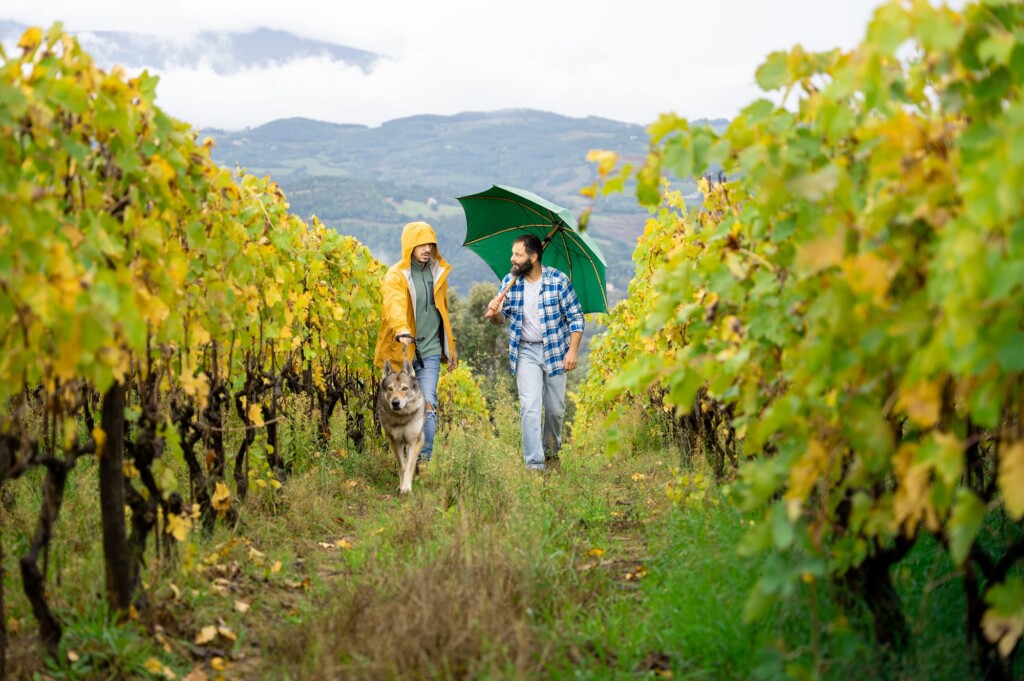
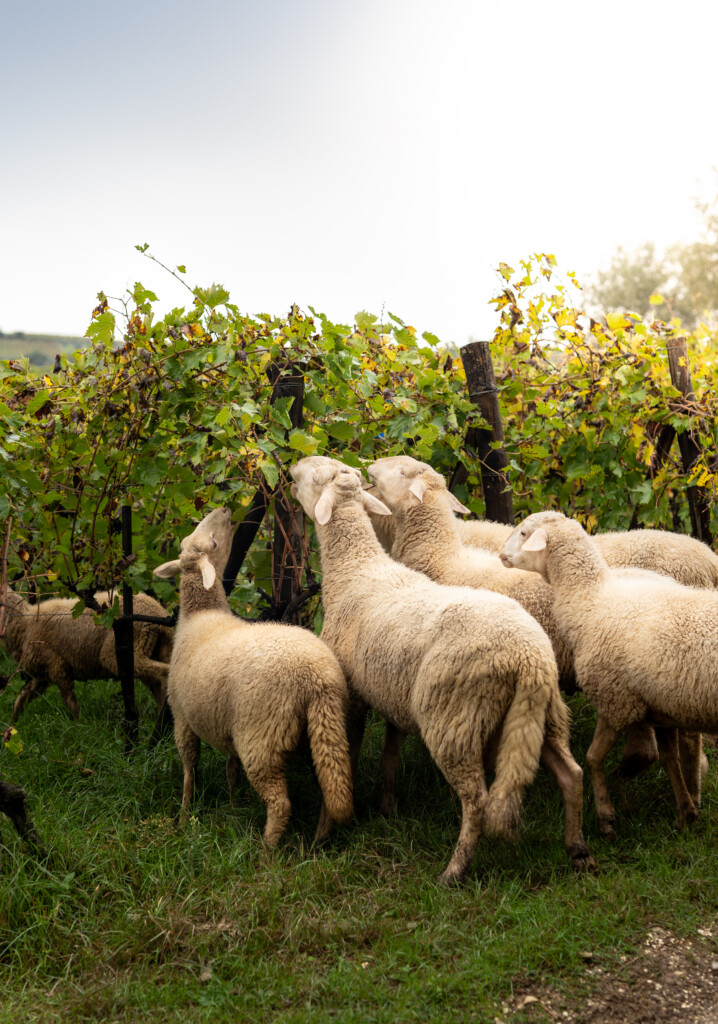
All of the vineyards are farmed biodynamically. “To me, Biodynamics reflects the old-fashioned way our ancestors used to grow plants and make wines for thousands of years, before the modern methods took place,” Francesco affirms. “When I look at a wild forest, I can feel its incredible healthiness, I can smell marvelous aromas, I can walk on its soft soil; I realize that the absence of human intervention is the best way for these plants to express their own character. Biodynamics brings this wildlife power to our vines, a healthy strength.” The goal is to create a healthy soil ecosystem–one more similar to a woodland than a conventional farm. As a positive side effect, biodynamic agriculture also fixes significantly more CO2 into the soil than conventional agriculture. Francesco’s team avoids plowing to protect the micro-flora and mycorrhizal networks in the soil. Weeds are pulled with machines or by hand, never using herbicides. The only treatments used in the vineyards are biodynamic preparations and copper and sulfur.
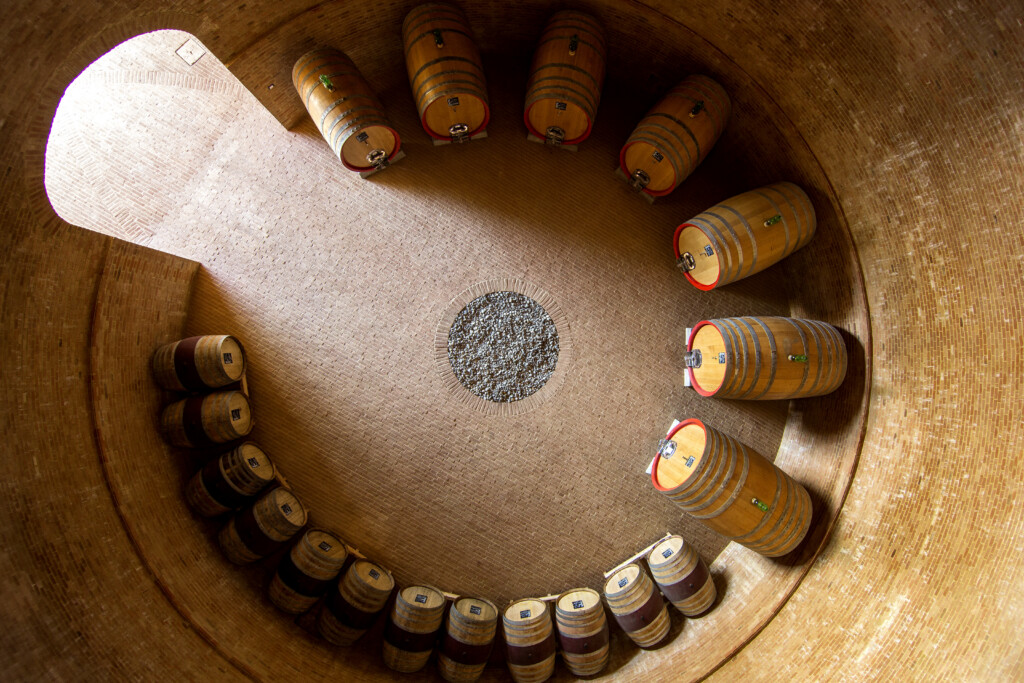
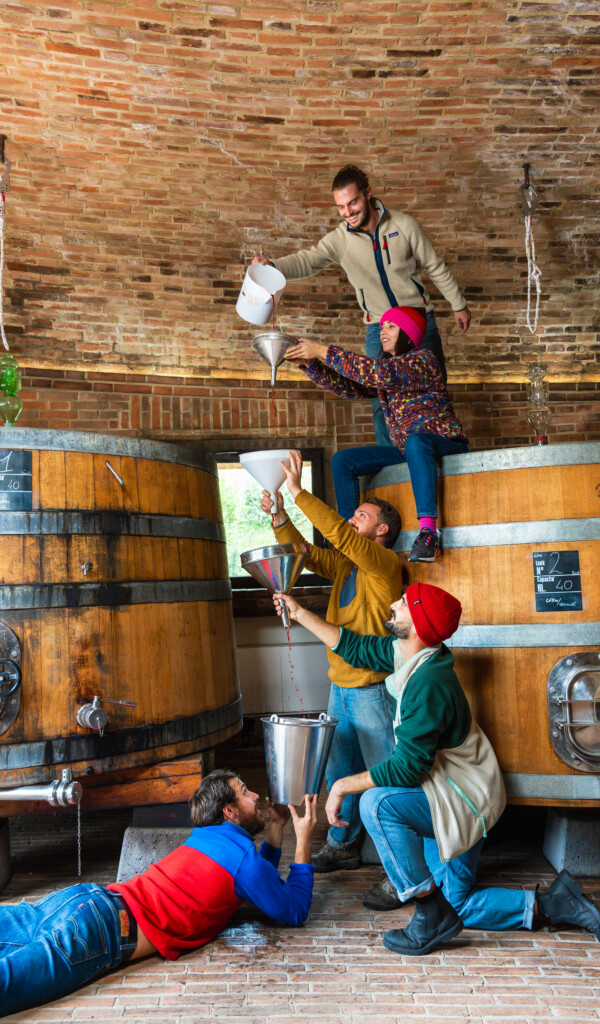
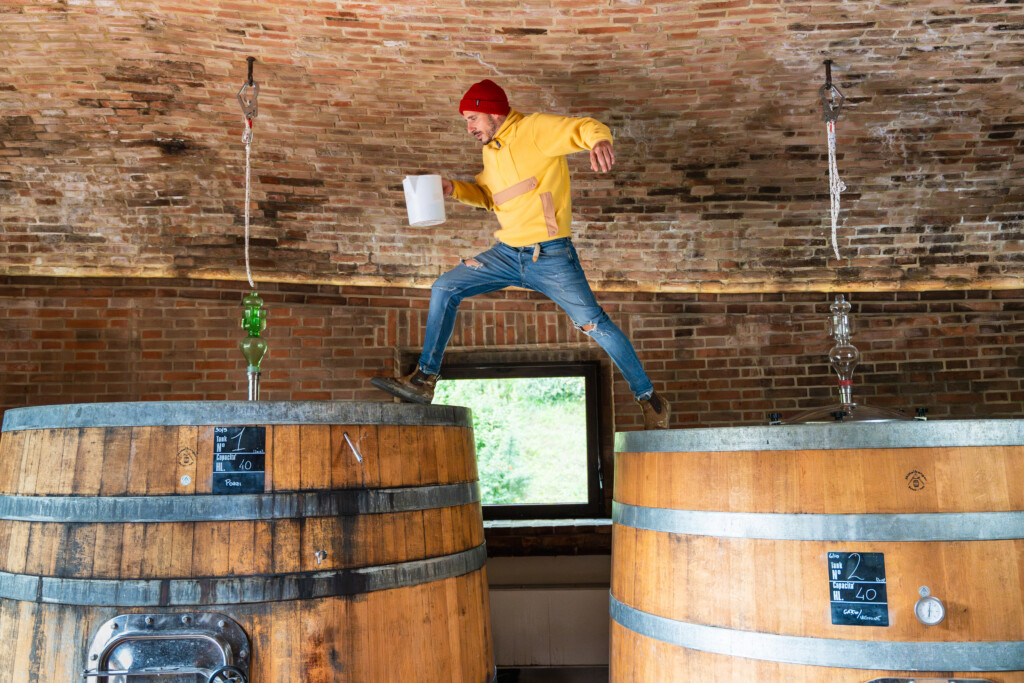
The wine cellar was designed by Francesco’s son Ernesto, with proportions inspired by the “Golden Ratio,” and was constructed using only bricks and lime mortar, no iron or cement. The wines are made by head winemaker Sebastian Nasello. During harvest, bunches are sorted by six to ten people to ensure that only perfect grapes reach the destemmer. Fermentation begins spontaneously in oak vats, and usually lasts between eight and twenty-one days. After racking, the wine is aged for up to four years, or more, in oak barrels of varying sizes, then aged for a period in cement and then up to a year in bottle before release.