
La Ferme Saint-Martin
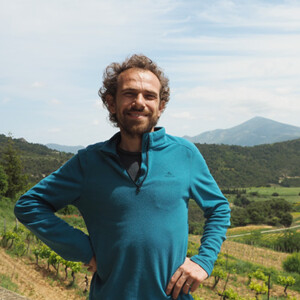
Thomas Jullien
About
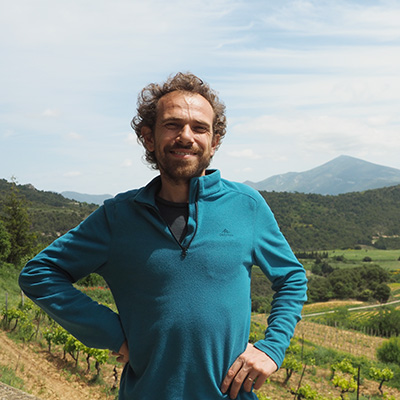
Owner & winemaker: Thomas Jullien
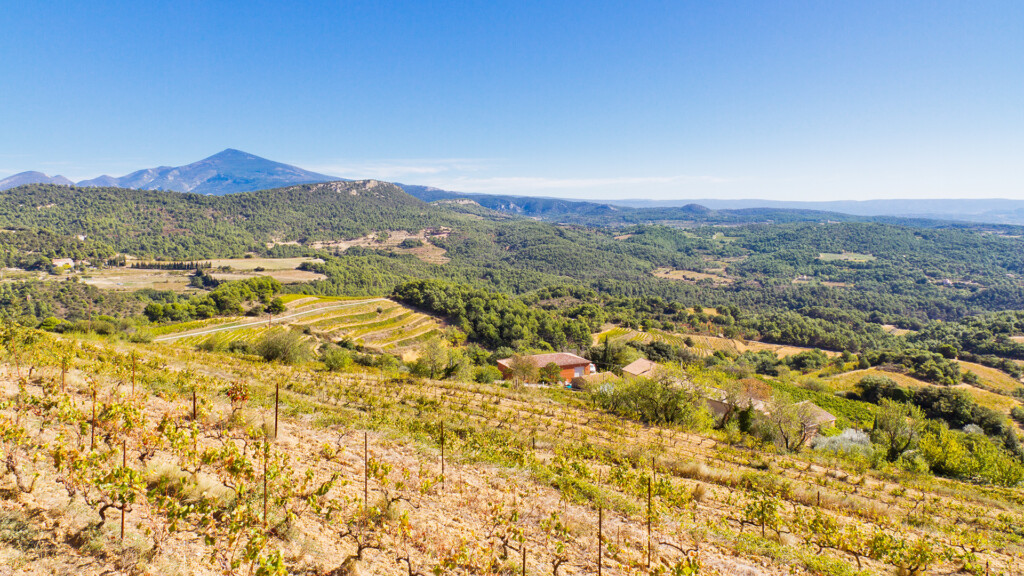
Vineyards: 19ha across three different appellations (Beaumes-de-Venise, Ventoux, Côtes-du-Rhône)
Vineyard management: Certified organic since 1998
Soils: Varied by site, including marl, triassic clay-limestone, clay-sand, and clay-gravel
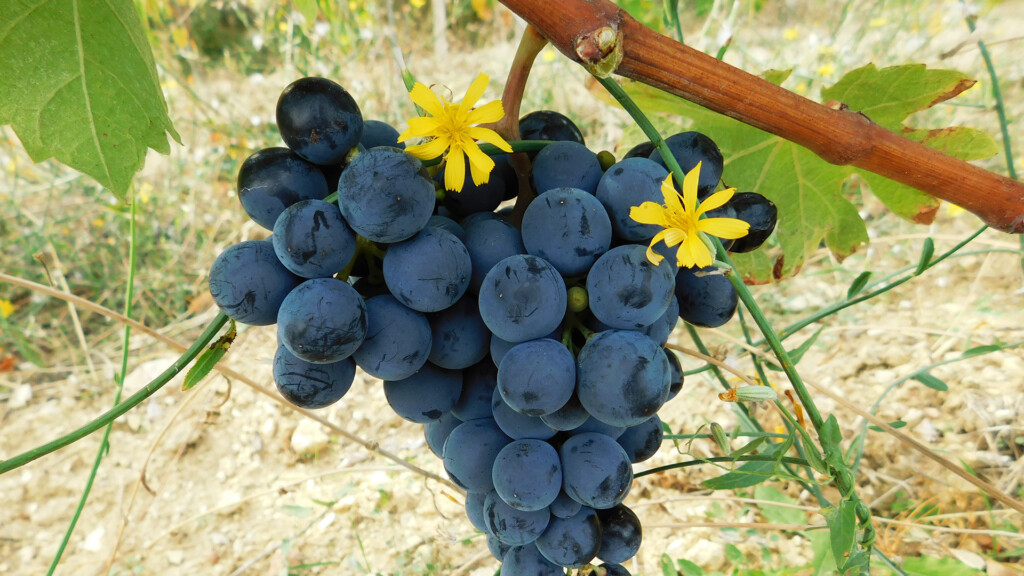
Grapes grown: Grenache, Syrah, Carignan, Cinsault, Mourvedre, Counoise, Terret Noir, Aramon, Picpoul Noir, Roussanne, Clairette, Grenache Blanc
Quick facts:
- The winery is located in an old chapel dating back to the 12th century. The name of the chapel, “Saint Martin,” became the name of the area, and later, the farm.
- Thomas’s father, Guy, was inspired to start making natural wines in the 1980s, after tasting at some of the iconic Parisian wine bars of the era: Les Envierges by François Morel, Le Baratin by Rachel and Olivier, Les Pipos by Jean Michel Delhoume, Le Moulin à vins by Dany…
The buildings at the Domaine de la Ferme Saint-Martin date back to the twelfth century, including the old chapel that is now the winery’s cellar. The Jullien family’s history at the estate begins in the mid-20th century. Yvonne, grandmother of current winemaker Thomas, grew up at the farm, and she and her husband Aimé were able to purchase it in 1955. At the time, it was primarily dedicated to olive and fruit trees, but after a devastating frost in 1956 wiped out many of the old orchards, they decided to replant with vines.
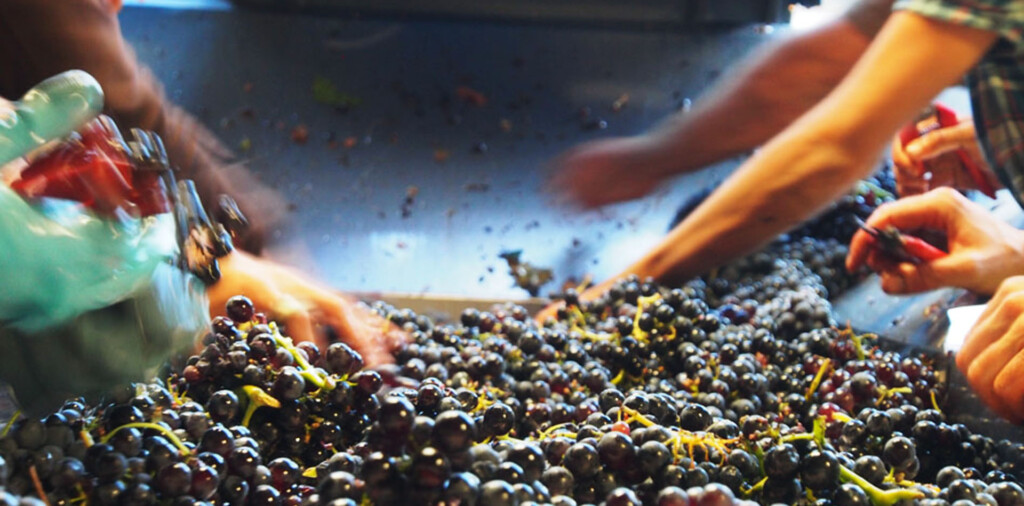
Aimé’s son Guy took over the estate in 1979 at only 20 years old, and, inspired by tasting wines from some of the natural wine pioneers in the 1980s, he set the estate on the path of natural winemaking. He began plowing the vineyards, using only organic fertilizer, and treating only with Bordeaux mixture and sulfur. The estate became officially certified organic in 1998. Since the 2000s, they have not used any oenological products at the winery. Grapes are fermented with native yeasts, and only a small amount of sulfur is added at bottling for certain vintages/wines when needed. His son Thomas, now in charge of winemaking at the estate, has continued with the same principles.
Another major focus of the estate is bottling terroir-specific wines. Guy began bottling three parcel-specific Beaumes-de-Venise cuvées in the 1990s, highlighting the differences between the triassic limestone soil plots, and those with marl soils. In 1999, Guy and Thomas acquired parcels in the Ventoux appellation, and now bottle “La Gerine” from clay-gravel soils, and “Les Estaillades” from clay-sand soils. In recent years, they’ve begun bottling a line of wines called “Les Vins de Thomas” made from grapes purchased from nearby friends who farm with a similar philosophy.